Priority created the scientific hero
Early journals and learned societies formalised publication and priority. Individual authorship became a powerful way to assign credit, even when discovery depended on larger networks.
OPEN QUESTION
WHY IT MATTERS
Asking who is remembered is not simply about adding missing names. It means examining how authority, evidence and reputation are produced and inherited.
When authorship, archives and prizes become the basis of credibility, people who cannot enter those systems are more likely to disappear from history—and from future opportunities.
KEY TENSIONSHeroic narratives / Collaborative networks · Public memory / Archival evidence
HISTORICAL LENS
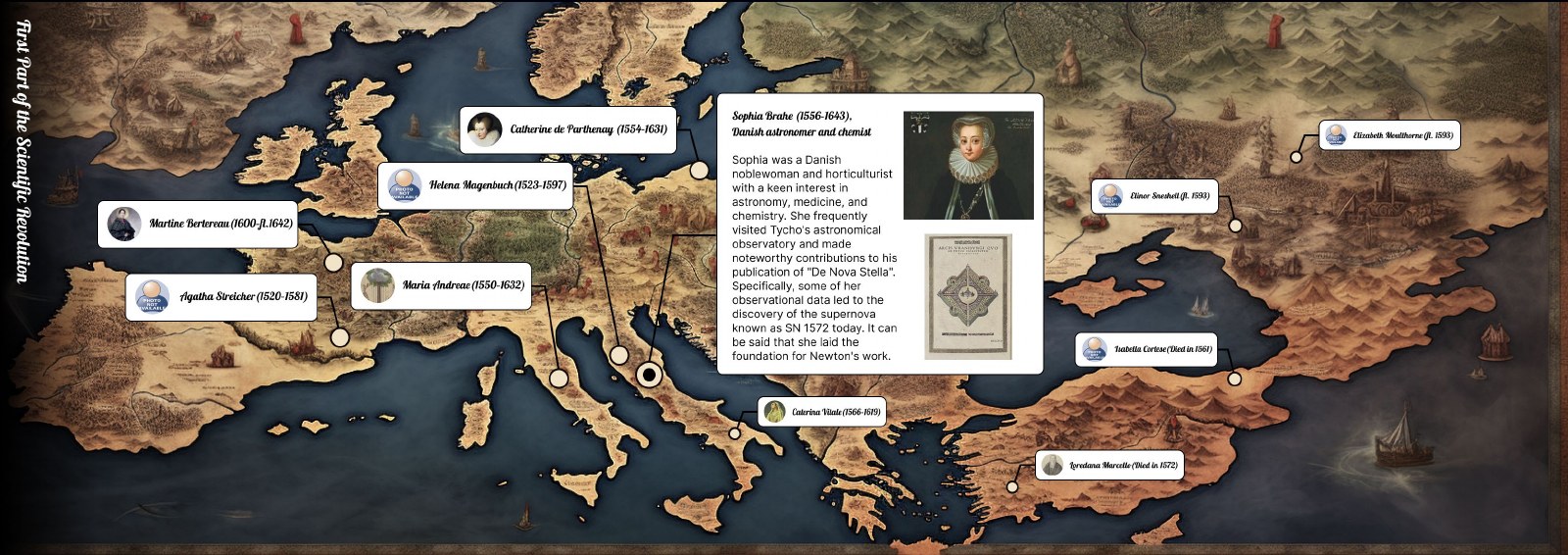
Scientific memory is not a neutral record. Journals, societies, laboratories, patents and prizes continually decide what counts as a contribution.
Early journals and learned societies formalised publication and priority. Individual authorship became a powerful way to assign credit, even when discovery depended on larger networks.
Awards, author order and academic positions distribute credit. The Matilda Effect names the repeated undervaluing of women’s contributions to science.
Technicians, illustrators, translators, collectors and local knowledge holders often appear only at the edges of formal archives.
Those inside universities and publishing networks accumulate recognition, funding and authority. Informal collaborators often see their labour absorbed into another person’s reputation.
Open archives and network analysis make hidden contributions easier to trace, while citation metrics can still concentrate visibility.
READING PATH
Compare biography with network history, then follow one case through authorship, objects, funding and institutions.
Compare prizes, authorship and collaboration
Build a small evidence-based archive
Examine gender, institutions and scientific credit
RELATED WORK
This inquiry is moving from lists of people toward networks of evidence, institutions and relationships.
OPEN→EXPLORING→RESEARCHING→RESEARCHING